Auburn Real Estate
3 active listings · 35 sold in the past 12mo
$214,500
Median List Price
35
Sold (past 12mo)
68
Avg Days on Market
-6.8%
HFGⓘ
Household Formation Gap (HFG) is a secondary market indicator that measures hidden housing demand created by shrinking household sizes. As average household size decreases — due to divorce, single living, empty nesting, delayed marriage — more housing units are needed even without population growth. HFG compares the estimated number of households needed today versus 15 years ago: (population ÷ avg household size). This is a demographic trend signal, not a primary market indicator like income-based affordability or comparative market analysis. Source: U.S. Census Bureau, American Community Survey 5-Year Estimates (2009–2023), Tables B01003, B25010, B25001.
Active Listings
Loading map…
Market Dashboard
Homes for Sale(3)
View all with filters →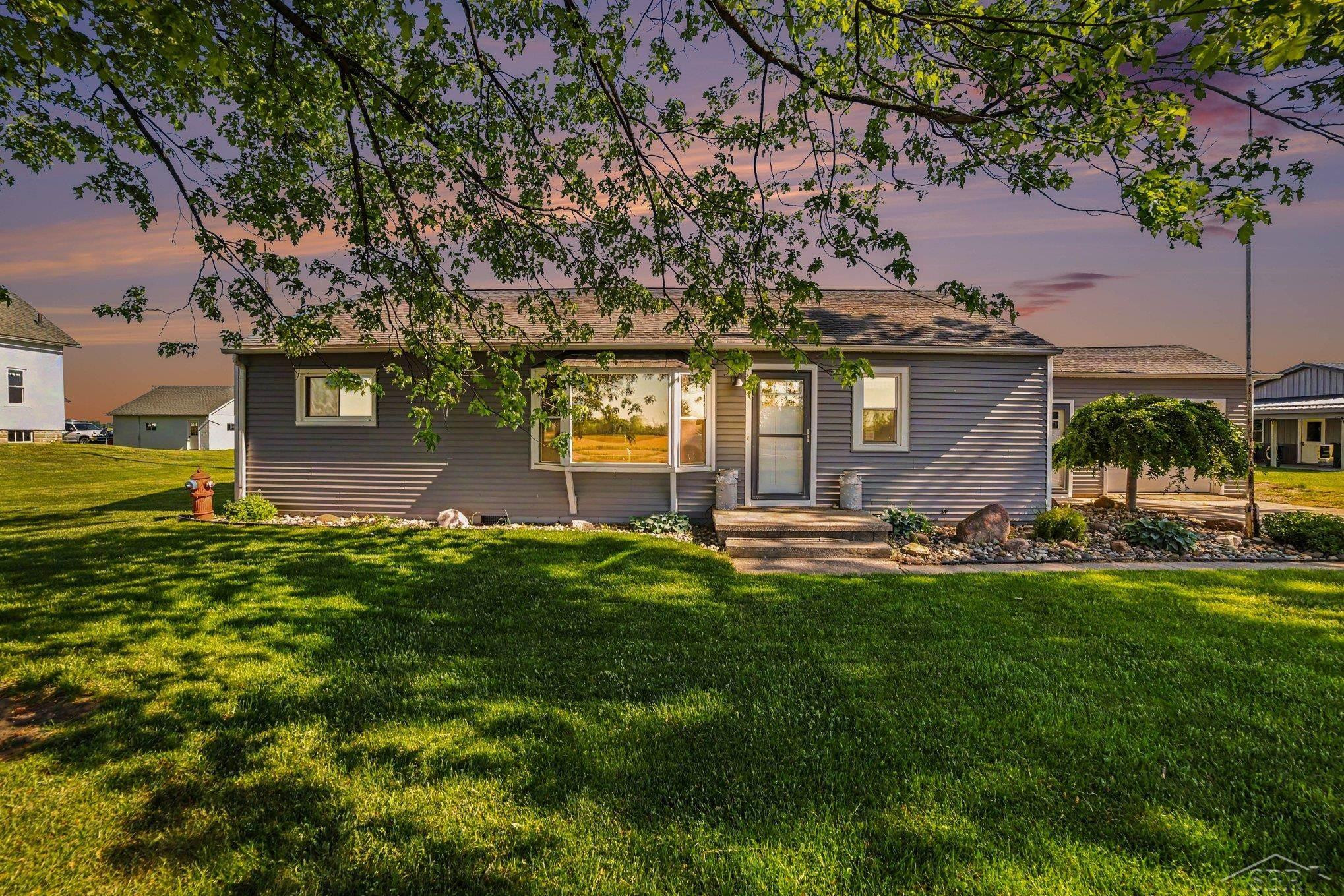
For Sale
1/28
$265,000
670 Hotchkiss Road, Auburn, MI 48611
3 bd1 ba1 ac
Single Family
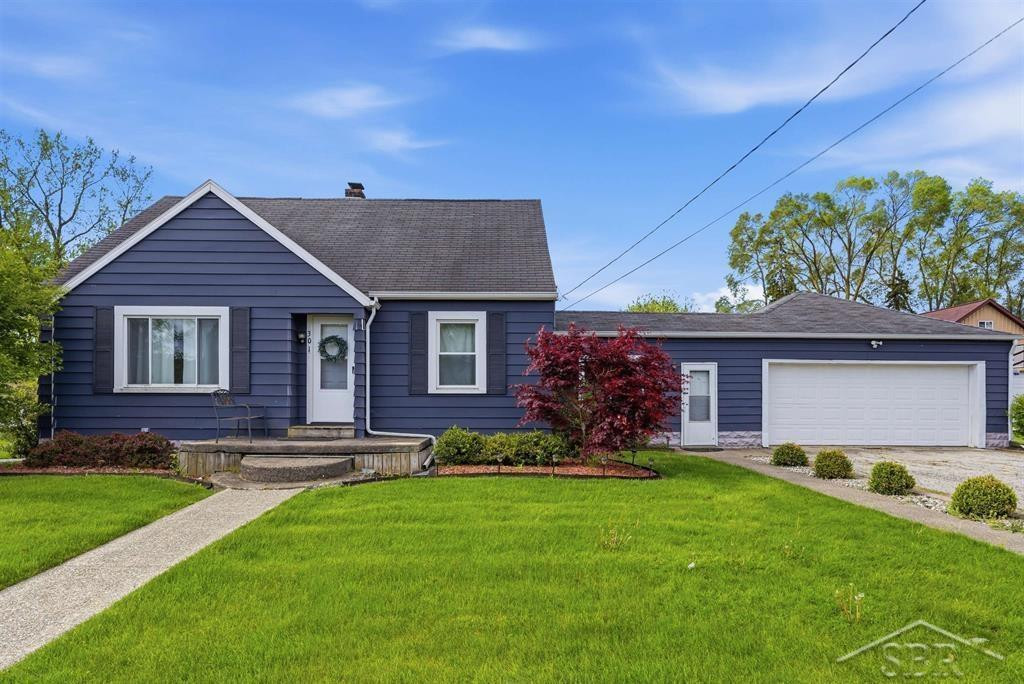
For Sale
1/28
$214,500
301 Church Street, Auburn, MI 48611
3 bd2 ba0.50 ac
Single Family
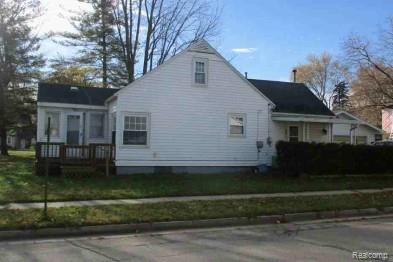
For Sale
1/3
$99,200
201 Grant Street, Auburn, MI 48611
2 bd1 ba910 sqft0.25 ac
Single Family
Recently Sold(35)
Frequently Asked Questions about Auburn
What is the current real estate inventory in Auburn?
Buyers in Auburn can choose from 3 active listings. The median asking price is $214,500.
What are home prices like in Auburn?
Based on 35 sales in the past year, homes in Auburn have a median price of $214,500.
What is the average days on market in Auburn?
Over the past year, homes in Auburn spent an average of 68 days on market before selling.
Which school districts cover Auburn?
Multiple school districts may serve Auburn. Michigan school district boundaries are independent of city borders. The school district for a specific property depends on its exact location within the city.
How competitive is the Auburn real estate market?
Auburn is currently a seller's market, with 1.0 months of supply. That ratio comes from 3 active listings relative to 35 sales per year.
What are property taxes like in Auburn?
Property taxes in Auburn are based on a property's State Equalized Value (SEV), which is roughly 50% of market value, multiplied by the local millage rate. Homestead properties (primary residences) receive a lower rate than non-homestead. Tax bills are split into summer and winter installments.
What does demographic data show about housing demand in Auburn?
Based on Census Bureau ACS data, Auburn shows a -6.8% Household Formation Gap. Despite household size decreasing from 2.43 to 2.12, the 18.7% population decline has reduced the overall number of households needing housing. This is a secondary demographic indicator, distinct from primary market measures.