Iron Mountain Real Estate
1 active listing · 1 sold in the past 12mo
$1,500,000
Median List Price
1
Sold (past 12mo)
19
Avg Days on Market
+2.7%
HFGⓘ
Household Formation Gap (HFG) is a secondary market indicator that measures hidden housing demand created by shrinking household sizes. As average household size decreases — due to divorce, single living, empty nesting, delayed marriage — more housing units are needed even without population growth. HFG compares the estimated number of households needed today versus 15 years ago: (population ÷ avg household size). This is a demographic trend signal, not a primary market indicator like income-based affordability or comparative market analysis. Source: U.S. Census Bureau, American Community Survey 5-Year Estimates (2009–2023), Tables B01003, B25010, B25001.
Active Listings
Loading map…
Homes for Sale(1)
View all with filters →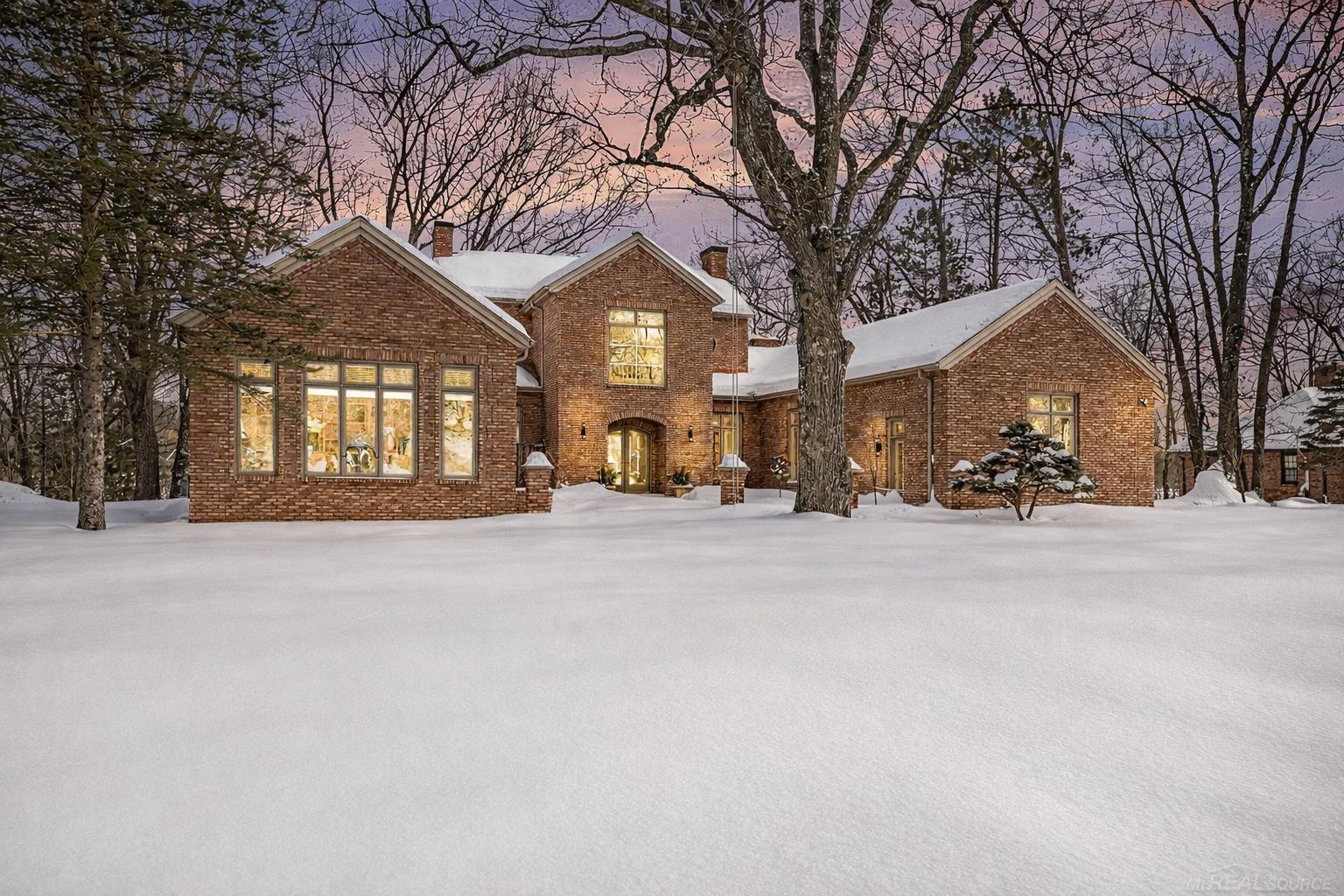
Recently Sold(1)
| Address | Sold Price | Date Sold |
|---|---|---|
| 622 E Grant Street, Iron Mountain, MI 49801 | $120,000 | Nov 25, 2025 |
Frequently Asked Questions about Iron Mountain
How many homes are for sale in Iron Mountain?
There is currently 1 active listing in Iron Mountain. The median asking price is $1,500,000.
Which school districts cover Iron Mountain?
Iron Mountain is served by one or more public school districts. In Michigan, school district boundaries do not always align with city limits, so different parts of Iron Mountain may be zoned for different districts. Check individual listings for the specific school district assignment.
How are property taxes calculated in Iron Mountain?
Michigan property taxes in Iron Mountain are calculated using the State Equalized Value (SEV) times the local millage rate. Rates vary by school district and municipality. Primary residences qualify for a homestead exemption that reduces the tax rate.
Is housing demand growing in Iron Mountain?
Per U.S. Census ACS data, Iron Mountain has a +2.7% Household Formation Gap — essentially flat over the past 15 years. Average household size shifted from 2.23 to 2.08, while population declined 4.2%. This secondary indicator suggests demographic housing demand has remained relatively stable.