Calumet Real Estate
1 active listing · 1 sold in the past 12mo
$139,900
Median List Price
1
Sold (past 12mo)
157
Avg Days on Market
+5.0%
HFGⓘ
Household Formation Gap (HFG) is a secondary market indicator that measures hidden housing demand created by shrinking household sizes. As average household size decreases — due to divorce, single living, empty nesting, delayed marriage — more housing units are needed even without population growth. HFG compares the estimated number of households needed today versus 15 years ago: (population ÷ avg household size). This is a demographic trend signal, not a primary market indicator like income-based affordability or comparative market analysis. Source: U.S. Census Bureau, American Community Survey 5-Year Estimates (2009–2023), Tables B01003, B25010, B25001.
Active Listings
Loading map…
Market Dashboard
Homes for Sale(1)
View all with filters →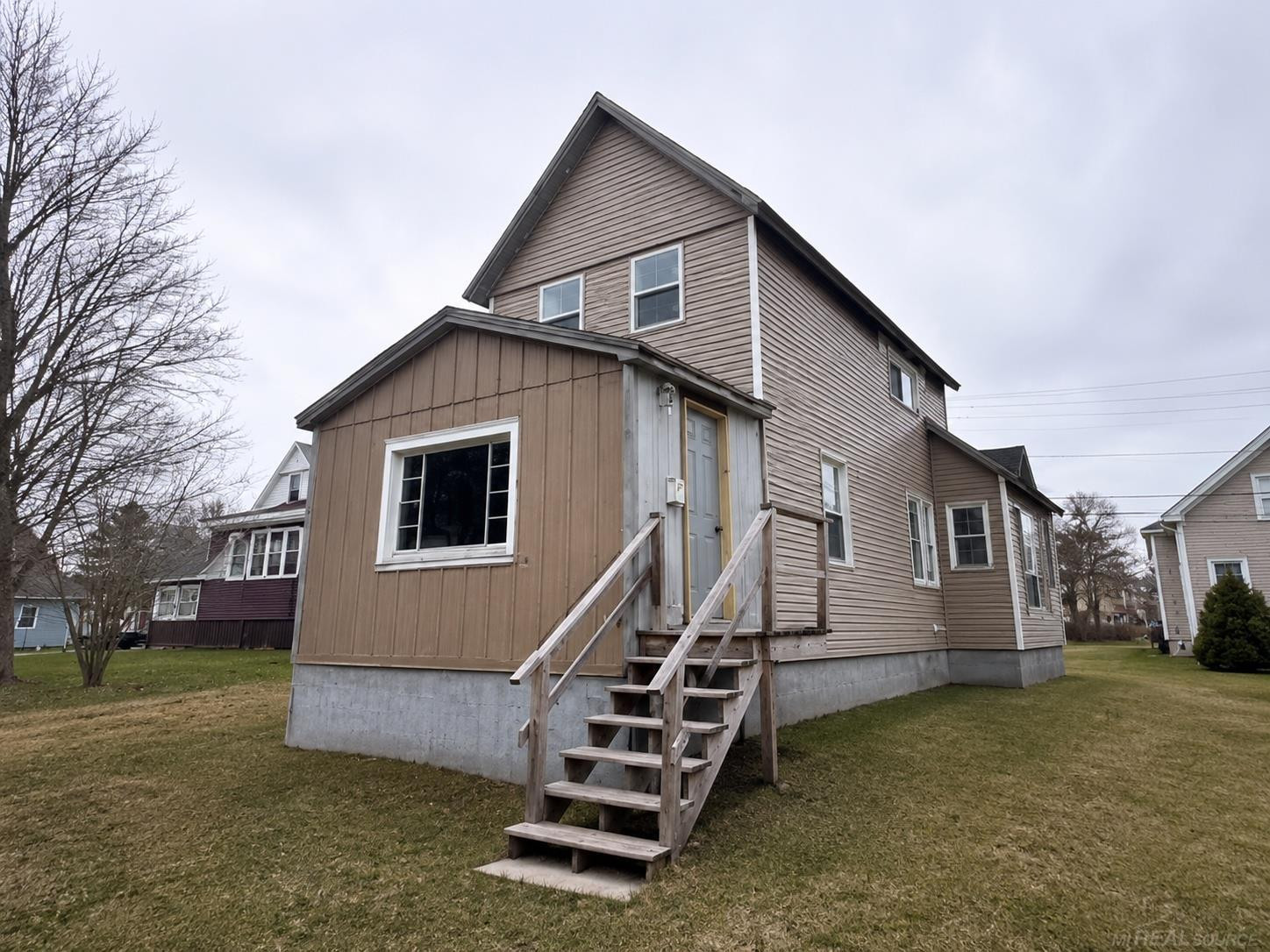
Recently Sold(1)
| Address | Sold Price | Date Sold |
|---|---|---|
| 806 Pine Street, Calumet, MI 49913 | $159,900 | Mar 9, 2026 |
Frequently Asked Questions about Calumet
How many homes are for sale in Calumet?
Calumet currently has 1 home listed for sale. The median asking price is $139,900.
Which school districts cover Calumet?
Multiple school districts may serve Calumet. Michigan school district boundaries are independent of city borders. The school district for a specific property depends on its exact location within the city.
How are property taxes calculated in Calumet?
Property taxes in Calumet are based on a property's State Equalized Value (SEV), which is roughly 50% of market value, multiplied by the local millage rate. Homestead properties (primary residences) receive a lower rate than non-homestead. Tax bills are split into summer and winter installments.
What does demographic data show about housing demand in Calumet?
Based on Census Bureau ACS 5-Year Estimates, the Household Formation Gap in Calumet is +5.0%. Shrinking household sizes (from 1.84 to 1.65 persons per household) have increased the number of households needing housing by 20 since 2009 — independent of the 5.8% population decline. This is a secondary demographic indicator, not a primary market measure.